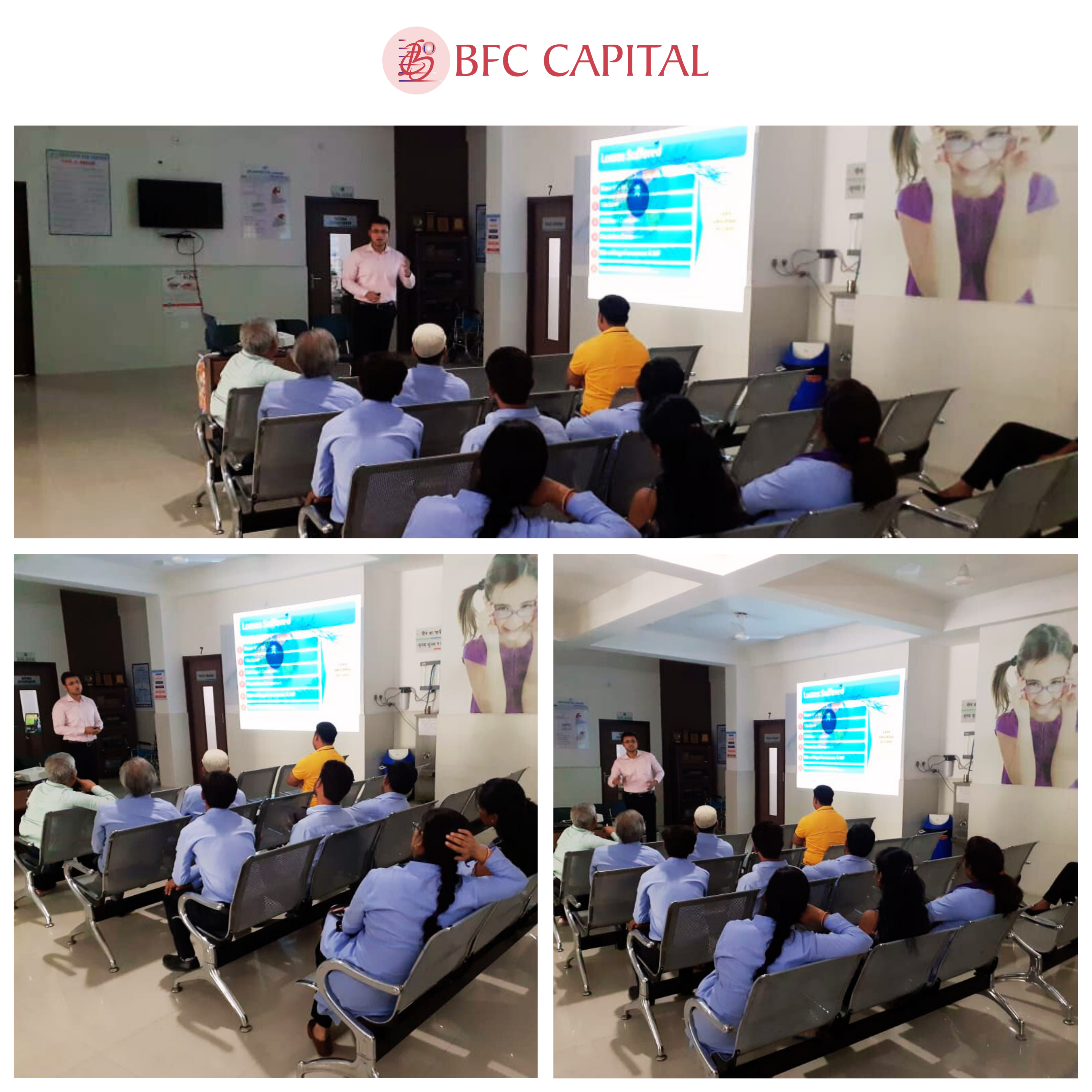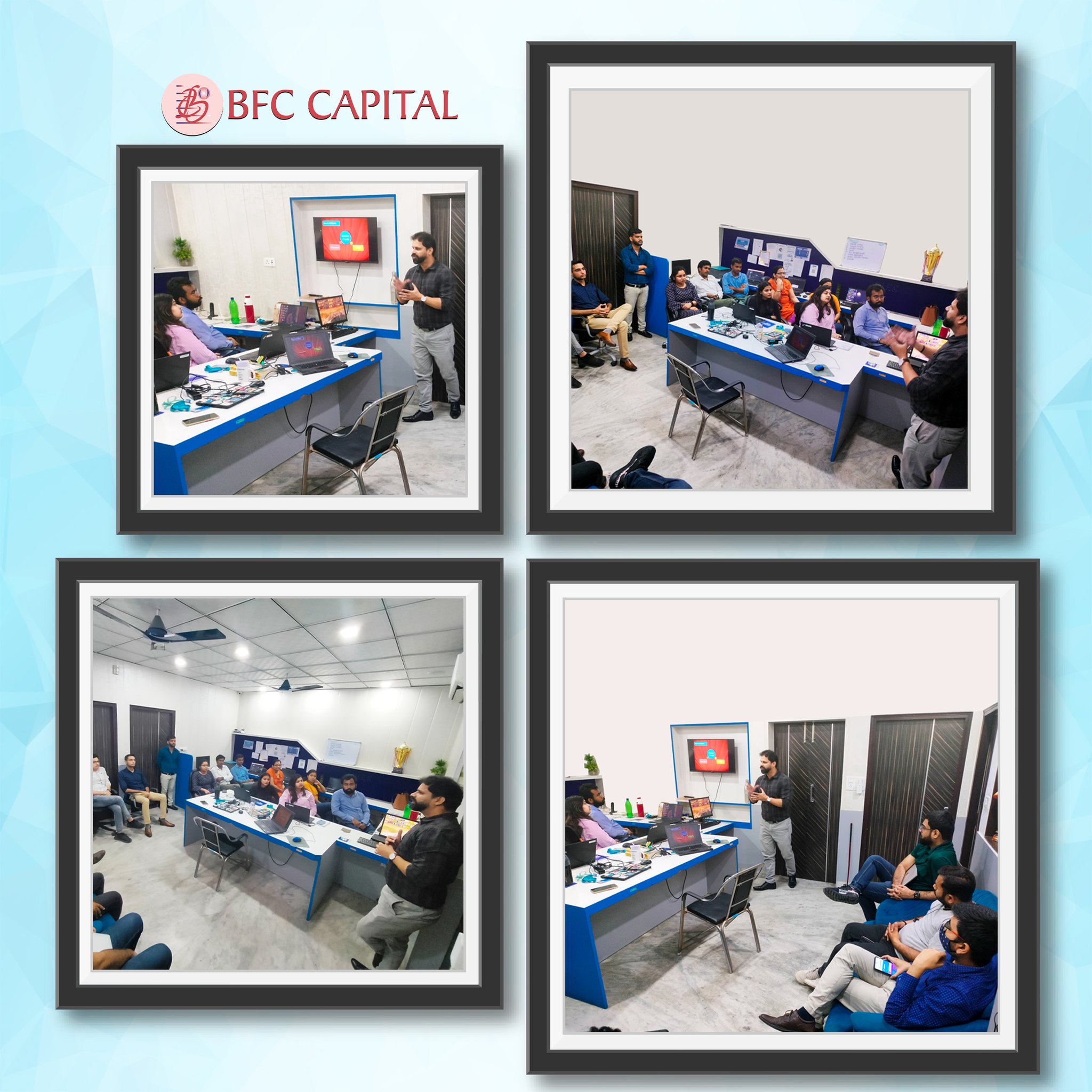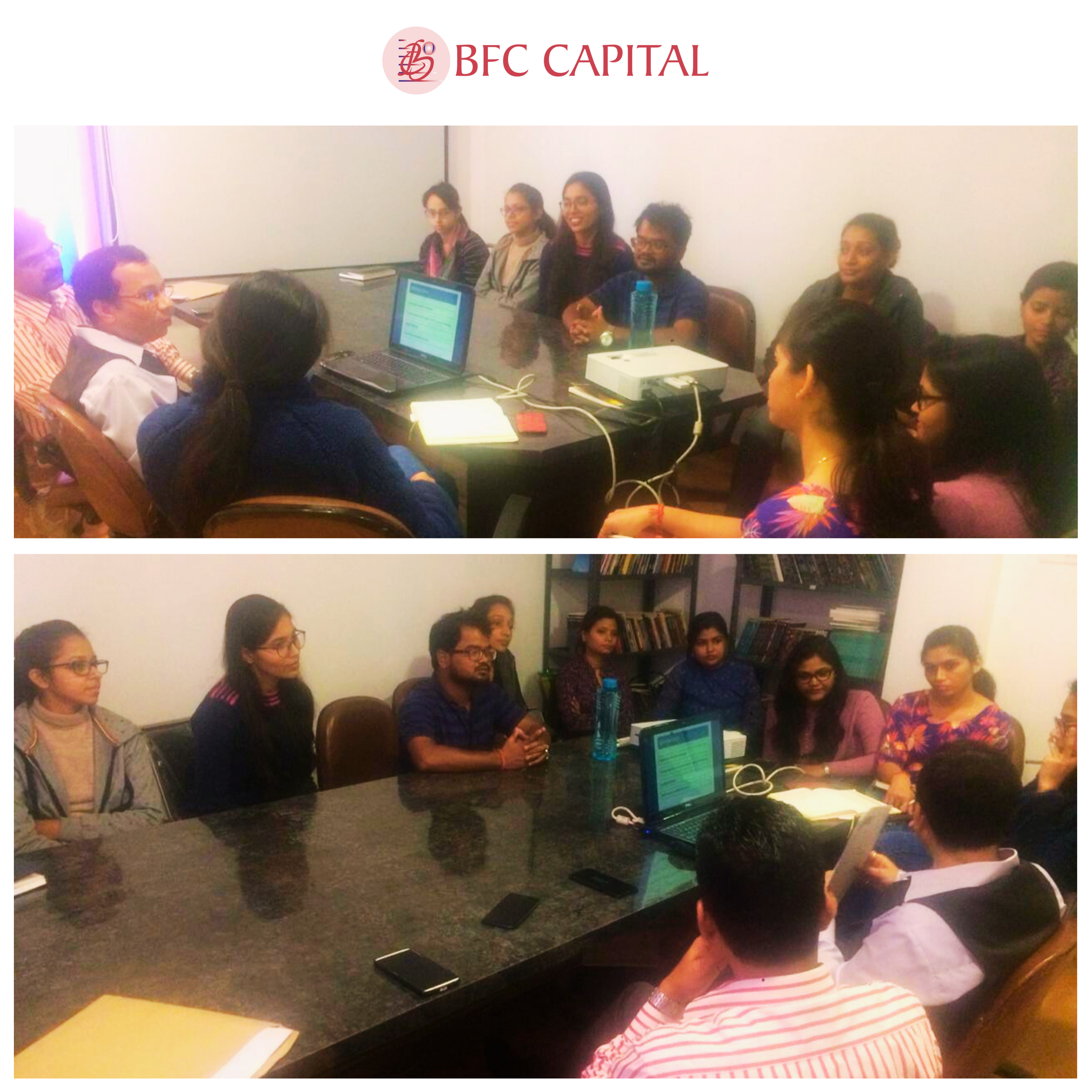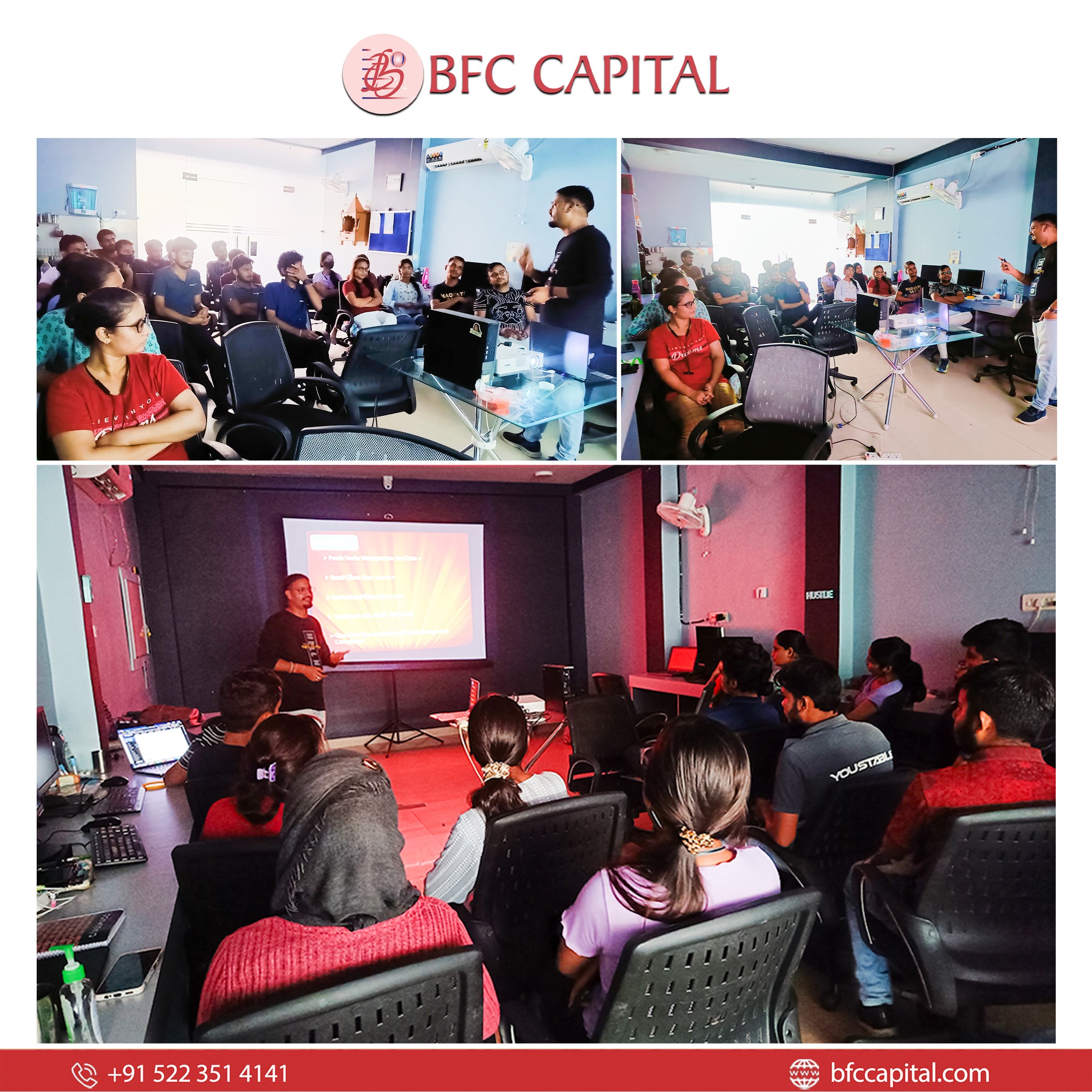
On September 29, 2022, BFC Capital successfully conducted its 242nd Quality Circle Program at IRITM, Lucknow. The event aimed to foster financial awareness and facilitate meaningful discussions with the members of IRITM. Through insightful interactions, attendees gained valuable knowledge on investment strategies and financial planning, reinforcing BFC Capital’s commitment to empowering individuals with financial literacy.
Are mutual funds guaranteed to give positive returns?
No, mutual funds do not offer guaranteed returns. They are market-linked investments, which means their performance depends on the ups and downs of the market. While mutual funds aim to grow your wealth over time, short-term fluctuations and market risks can impact returns. Always invest based on your goals, risk tolerance, and time horizon.
What is an IDCW (Income Distribution cum Capital Withdrawal) plan?
An IDCW plan—previously known as a dividend option—allows mutual funds to pay out a portion of their profits to investors at intervals. These payouts come from the fund’s gains and are not fixed or guaranteed. Unlike the Growth option, where earnings are reinvested, IDCW reduces the fund’s NAV when income is distributed. It’s best suited for those looking for periodic income, but it may not be ideal for long-term growth due to reduced compounding benefits.
Do I have to pay tax if I reinvest my mutual fund gains?
Yes, taxes are applicable when you redeem your mutual fund investments—regardless of whether you reinvest the amount. For equity funds, long-term gains above ₹1 lakh in a financial year are taxed at 10%, and short-term gains (redeemed within 1 year) at 15%. Debt funds have different rules: short-term gains are taxed as per your income slab, while long-term gains (after 3 years) attract 20% tax with indexation. Reinvesting doesn’t waive off taxes—it just counts as a new investment.
What if the fund manager of my mutual fund changes?
A change in the fund manager can sometimes bring a shift in investment style or strategy. However, most reputed fund houses follow a strong research-driven, team-based approach, which ensures that a single change doesn’t derail the fund’s philosophy. That said, it’s a good idea to keep an eye on the fund’s performance post the change and ensure it still aligns with your goals. If you notice a major change in returns or risk profile, consider reviewing or rebalancing your portfolio.