Money Management
Savings is no longer an adult thing, the new generation is showing interest in financial planning even from their teenage years. When you first start earning, it might feel like a tough topic to manage money, but believe us, it is one of the most serious, exciting, and powerful topics to understand. In this industry, the faster you learn and apply your financial skills, the better reward you can expect to get over a long period. It doesn’t matter whether you are a high school student, a college student, or working for more than 5 years; it is never too late to start your financial planning and make a checklist.
Now, the common question that should arise in your mind is, how to create that financial checklist for money management? No worries, here in this blog, we will let you know everything in detail. So, let’s hit the discussion.
Review your spending from last month.
Before you start making a checklist, you must look back and check exactly where you spend money. Well, for that, ask yourself 3 questions,
- Did you stay within your budget?
- Where did you spend too much? Especially identifying the categories.
- Identify if there were any surprise spending.
You can identify the exact spending from your bank statement or in the payment apps. Once you identify the answer, try to control spending on that particular category. Remember, better money management always comes from limiting your overspending.
Update your next budget.
Once you are done with identifying your last month’s spending, it is time to create your budget for the upcoming month. Budget is not a one-time thing, it should evolve as your life goes.
- Check if you received any extra income through a salary hike, a bonus, or from any side hustle.
- Look at your variable expenses like groceries, electricity bill, dining out, etc.
- Look at your fixed expenses like insurance, rent, internet, etc.
- Check your debt payments like EMI, credit card bills, and others.
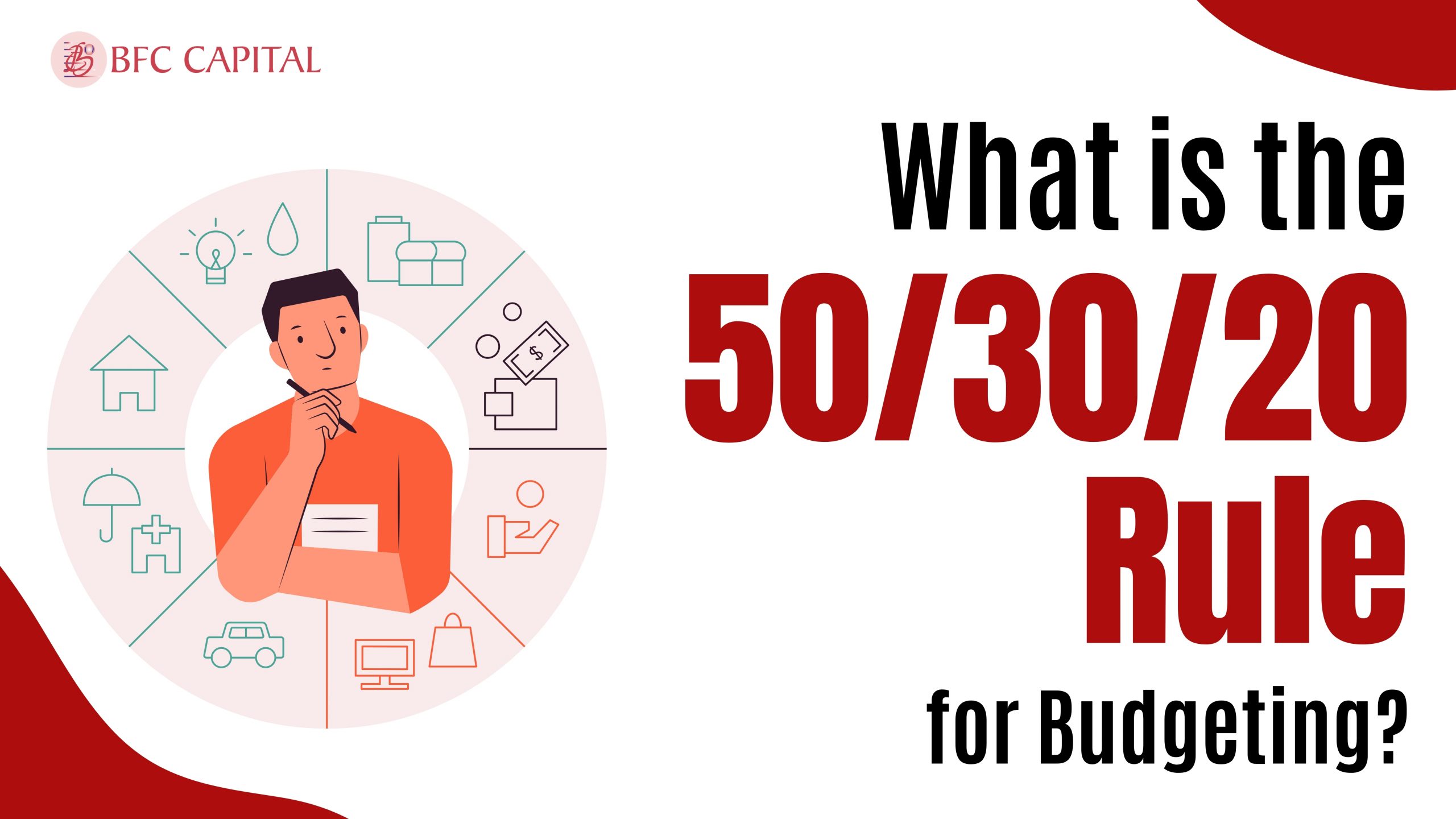
At this stage one should always follow the 50/30/20 rules. According to the financial advisors, 50% should be spent on your basic needs, 30% is for your wants and the rest, 20% is for your savings. This 20% can be invested in share market, MF, FD and also in your savings account.
Start learning the stock market.
If you are passionate about investment, then never be afraid of the stock market. There is a common myth that people often carry with the share market, the loss of their invested amount, but if you invest sincerely and strategically, you can win in life. When you start investing from a young age, you get enough time to build your wealth. With the power of compound interest, you can get that. Nowadays, there are a lot of online platforms and YouTube videos available to guide you in the best possible way. Just follow them and do your homework.
Keep tracking the account balance.
Since people have started using payment apps, the habit of overspending is rapidly increasing. Therefore, it is becoming more difficult to control savings. Many of you might feel tense while checking the account balance, because no one prefers to see less than the expectation. But when you make a habit of checking your account, credit card usage, savings account, and investment account, you become more conscious about your spending.
To create your checklist for money management, the error of your account balance is extremely important.
Plan for an emergency fund.
When you are investing, make sure you have special savings for emergency purposes. In today’s generation, health insurance is commonly provided by the corporate offices, but aside from this, make sure you have a separate savings account for any unwanted situation. These surprising and unwanted situations can include getting laid off from your job, or big car repair expenses can arise at any time. While making your checklist for money management, you need to ensure that you have a separate savings account for an emergency fund. For that, just save your 3 months of spending and invest it in a safe & liquid financial instrument.
Check your credit report.
Along with checking your account balance, it is also equally important to check your credit report. But unlike the account balance, you don’t have to check your credit report every month. Just doing it quarterly or after every few months will be enough. There are a lot of free websites available to monitor your credit, so check them out accordingly.
Track your debt.
If you make a habit of tracking your debt every month, it will always help you to make your checklist for money management in an organized way. In your assessment of debt, check your interest rates, current balance, any extra payments, and also payment due dates. When you are paying a debt, always remember how you are handling it.
Also, Check – 5 Finance Books Every Person Should Read
It’s a wrap
Have you stuck to your budget? Have you saved more than you expected? Great, time for a celebration!
Always reward yourself in a small and meaningful way, because you are doing something that most people avoid.
Making a financial checklist for Money Management isn’t mandatory for all but you should make it a habit just like laundry and cooking because it is going to show you the result in the near future. So be constant and conscious.
Please share your thoughts on this post by leaving a reply in the comments section. Contact us via Phone, WhatsApp, or Email to learn more about mutual funds, or visit our website. Alternatively, you can download the Prodigy Pro app to start investing today!
Disclaimer – This article is for educational purposes only and does not intend to substitute expert guidance. Mutual fund investments are subject to market risks. Please read the scheme-related document carefully before investing.