Index Funds
Just picture yourself as a child with a candy shop all to yourself. Gummy bears? Chocolate bars? Sour belts? So many choices! Choosing some favourites that come to mind may be challenging, and one may even skip one or two new surprises. Shouldn’t there be something like a section with a scrumptious blend of all types? That’s exactly what index funds are for the world of investing!
This blog is your guide to index funds. We’ll explain what they are, the different “candy mixes” available (different types of index funds), and the potential benefits and drawbacks (risks and returns). By the end, you’ll be able to decide if index funds are the perfect treat for your investment journey, offering variety, ease, and potentially sweet returns!
Index Funds Meaning
Imagine a pre-packaged trail mix you buy at the store. This mix combines a variety of nuts, fruits, and maybe even some chocolate chips, all in specific proportions. An index fund is like this trail mix. Instead of cherry-picking individual funds, you follow a particular market segment, let’s say Nifty 50 or Sensex in the case of India.
In other words, an index fund that tracks the Nifty 50 aims to mirror the performance of the Nifty 50 by investing in the same companies that make up the index, in proportion to their weight. This means that, the returns of the index fund are almost equivalent to the returns of the Nifty 50.
This makes index funds to be considered as being more passive than active funds since the former does not aim to beat the market returns. Instead, they just seek to replicate the specific performance of an index of stocks. This makes them ideal for use by investors who intend to invest in low priced as well as low risk-using instrument.
Features of Index Funds
Index funds can be a great choice for investors, offering several advantages as follows:
- Lower fees: Compared to actively managed funds which are rather expensive, index funds are ‘passive’ in their nature. They take a “set it and forget it” approach and simply track a market index, keeping costs down. This means more of your money goes towards growth.
- Built-in diversification: Imagine spreading your investment across various companies in different industries. That’s the power of index funds! They diversify your holdings, reducing risk. If one company performs poorly, it won’t significantly impact your overall investment.
- Potential for steady growth: Index funds track markets that have historically grown over time. This way, you are able to tap into the general market direction without the hassles of choosing individual shares.
- Reduced risk from individual companies: Actively picking stocks can be risky. A single company’s bad performance can hurt your entire investment. Index funds spread your money across many companies, so a downturn in one has a smaller impact.
- Tax advantages: Index funds tend to buy and hold stocks for the long term. This means fewer trades and potentially lower redemption fees compared to actively managed funds that trade frequently.
In other words, investing in index funds is one of the most straightforward and affordable ways of entering the market while waiting for the returns to grow gradually and the risks to decrease. It is most suitable for those investors who are interested in a passive way of accumulating capital gradually.
Disadvantages
While index funds offer a compelling package, they do come with some drawbacks to consider. Here are some potential downsides to be aware of:
- Miss Big Gains: Imagine the stock market takes off like a rocket, but your index fund just cruises along. Unlike some actively managed funds that might shoot for the stars, index funds aim to match the market’s pace, so you might miss out on occasional windfalls.
- Limited Control: Think of a pre-made sandwich. It’s convenient, but you can’t choose the exact ingredients. Index funds hold the stocks in a specific index, and you don’t get to pick individual companies like you could with an actively managed fund.
- Not Exactly Identical: Even the best copycat isn’t perfect. Index funds track an index, but there can be slight performance differences due to things like fees. It’s like following a recipe but maybe missing a pinch of something that affects the final dish.
- Downside Feels the Fall: If the market crashes, your index fund tumbles, too, like dominoes falling in a row. This can be unsettling for investors who want protection during volatile times.
How Do You Know if Index Funds Are a Good Investment for You?
Generally Less Bumpy: Think of a smooth highway cruise compared to a winding mountain road. Index funds spread your investment across many companies, reducing risk compared to actively picking and managing stocks. It’s like having multiple lanes on the highway, so if one gets congested, you can easily switch to another.
Track the Wobble: Even the smoothest highway might have a slight curve. Index funds might slightly underperform the market they track. Look for a fund with a low “tracking error” – it’s like a well-maintained road with minimal bumps.
Diversify Your Ride: While highways are great, consider exploring scenic backroads sometimes (actively managed funds like equities). Imagine a well-rounded trip with both highways and scenic detours for a more complete experience.
Budget-Friendly: Imagine buying pre-made meals – convenient and affordable. Index funds have lower fees because they don’t require a fund manager to constantly pick stocks.
More Money for Your Gas: Lower fees translate to potentially higher returns on your investment. It’s like getting more gas mileage out of your investment car, meaning you can travel further (grow your money more)
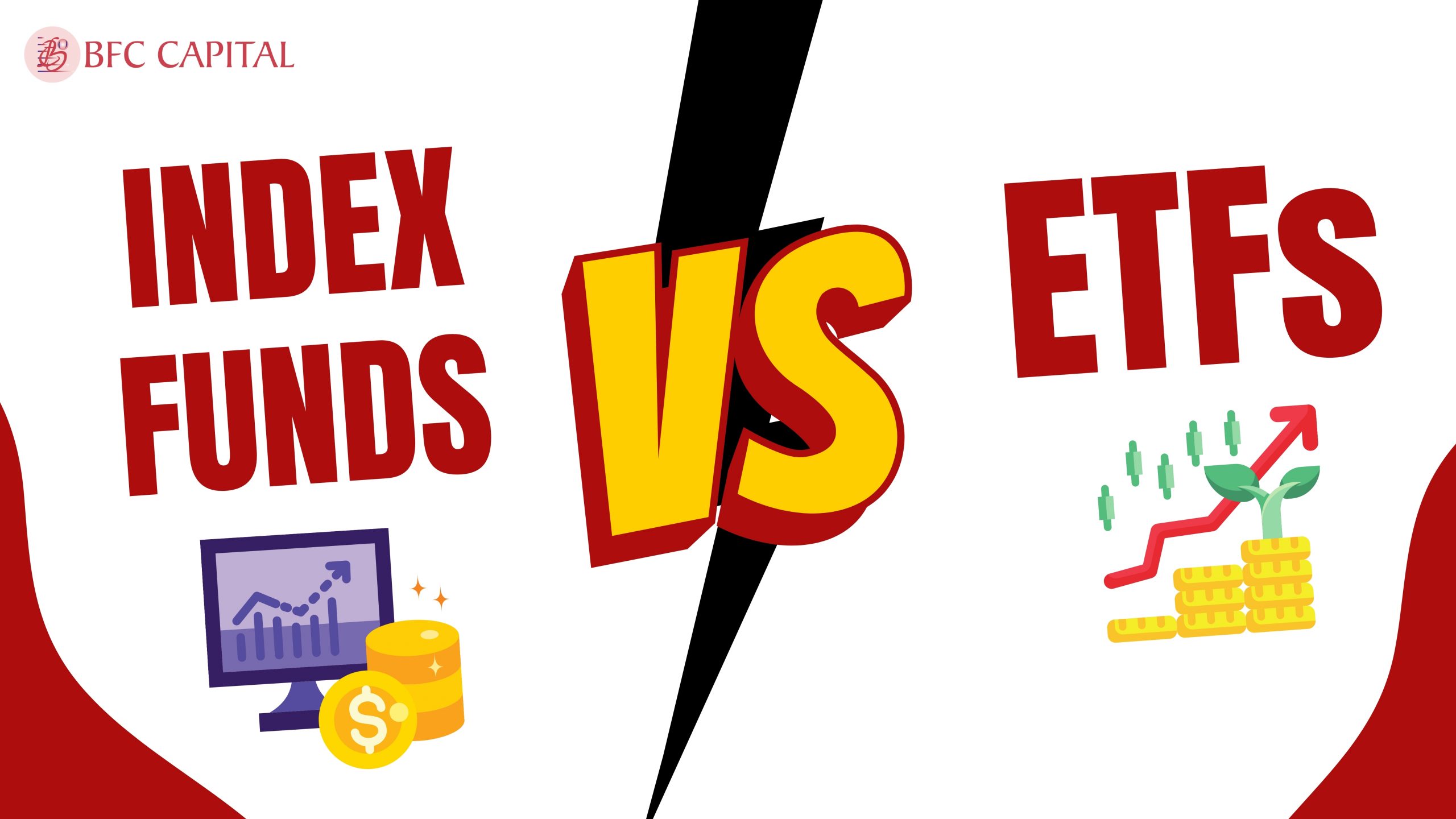
Also, Check – Index funds vs ETFs
Conclusion
The key is to consider your own comfort level with risk and how long you can invest before needing the money. If you’re unsure, talking to a financial advisor can be like having a helpful guide on your investment journey.
We hope this blog has made index funds a bit more understandable for you! Index funds offer a simple way to invest! They’re a great option for many investors, and with a little research, you can see if they’re the perfect ingredient for your financial recipe.
Happy investing!
Please share your thoughts on this post by leaving a reply in the comments section.
Also, check out our recent post on “Index funds vs ETFs : What’s the difference?“
To learn more about mutual funds, contact us via Phone, WhatsApp, Email, or visit our Website. Additionally, you can download the Prodigy Pro app to start investing today!
Disclaimer – This article is for educational purposes only and by no means intends to substitute expert guidance. Mutual fund investments are subject to market risks. Please read the scheme related document carefully before investing.