Let me ask you something.
When your mutual fund shows 10% returns, what do you feel?
Happy, Satisfied?
Now imagine this—what if the broader market rose 15% in the same period?
Still feel good?
Probably not. And you shouldn’t. Because the truth is, numbers on their own don’t say much. They need something to be measured against.
That “something” is called a benchmark.
And choosing the right one? That’s more important than most people think.
So, What Even Is a Benchmark?
Think of it like this:
Your friend gets 82 marks in an exam. Good, right?
But then you hear that the class average was 93. Suddenly that 82 doesn’t look so shiny anymore.
Same thing with your investments. You can’t judge performance in a vacuum.
You need a fair point of comparison—a mirror that reflects whether your fund is ahead, behind, or just doing okay.
That mirror? That’s your performance benchmark.
Here’s the Catch: Not All Benchmarks Are Equal
This is where people mess up.
You don’t compare a small-cap fund with the Sensex.
You don’t compare a debt fund with the Nifty.
That’s like comparing a school kid’s maths score with an engineering student’s calculus exam. Wrong match.
So how do you choose an appropriate performance benchmark?
Well, here’s the short version:
Your benchmark should look like your investment.
Same asset class. Same risk level. Same market. Same style.
Anything else? You’re comparing apples to oranges. Or sometimes, apples to bicycles.
Real Talk: Why This Actually Matters
Let’s say your mid-cap mutual fund gave 11% return this year.
And you’re all excited—until someone tells you the Nifty Midcap 150 went up 17%.
Now your fund doesn’t look so appealing.
But if you had compared that fund with the Nifty 50 (which maybe only rose 10%), you’d feel great. But that’s a false comparison. Large-cap and mid-cap funds don’t run the same race.
This is exactly why the basis for choosing a benchmark has to be fair.
Fair to you. Fair to the fund. Fair to your expectations.
Okay, So What Makes a Good Benchmark?
Let’s keep it simple. Your benchmark should:
1. Match the Type of Fund
Large-cap fund? Use the Nifty 50 or S&P BSE 100.
Mid-cap? Go with Nifty Midcap 150.
Small-cap? There’s Nifty Smallcap 250 for that.
Debt funds? Compare with CRISIL bond indices, not equity indices.
International funds? Look at MSCI World or S&P 500, not Indian benchmarks.
You get the idea. Match the category.
2. Match the Risk Level
A high-risk technology fund shouldn’t be compared with a balanced hybrid fund. It might feel “better”, but it’s not accurate.
You want your benchmark to reflect similar volatility. If your fund is more aggressive than the index you’re comparing it with, the comparison won’t mean much.
3. Cover the Same Market Geography
Investing in US markets? Use a US-based benchmark.
Investing in gold? Use global or Indian gold indices.
Too many investors lose perspective because they compare local investments with international ones—or the other way around. That’s a bad habit.
Let’s Talk About What Not to Do
Here’s a common trap: fund managers sometimes choose weak benchmarks on purpose.
Let’s say a hybrid fund (part equity, part debt) is being measured against a conservative 60:40 benchmark. Obviously, the hybrid fund will look like a rockstar in comparison.
But was it a fair fight? Not really.
As an investor, you should be smart enough to look at what the benchmark should’ve been. Because that’s how you judge real performance—not sugar-coated marketing.
Think of It Like This…
Two friends go to the gym.
One lifts weights for 45 minutes. The other does yoga.
You don’t compare them by who sweated more, right?
Different styles. Different goals. Different metrics.
Funds are no different.
Each fund has its own strategy. Your job is to compare it with others that play the same game—not those playing a totally different sport.
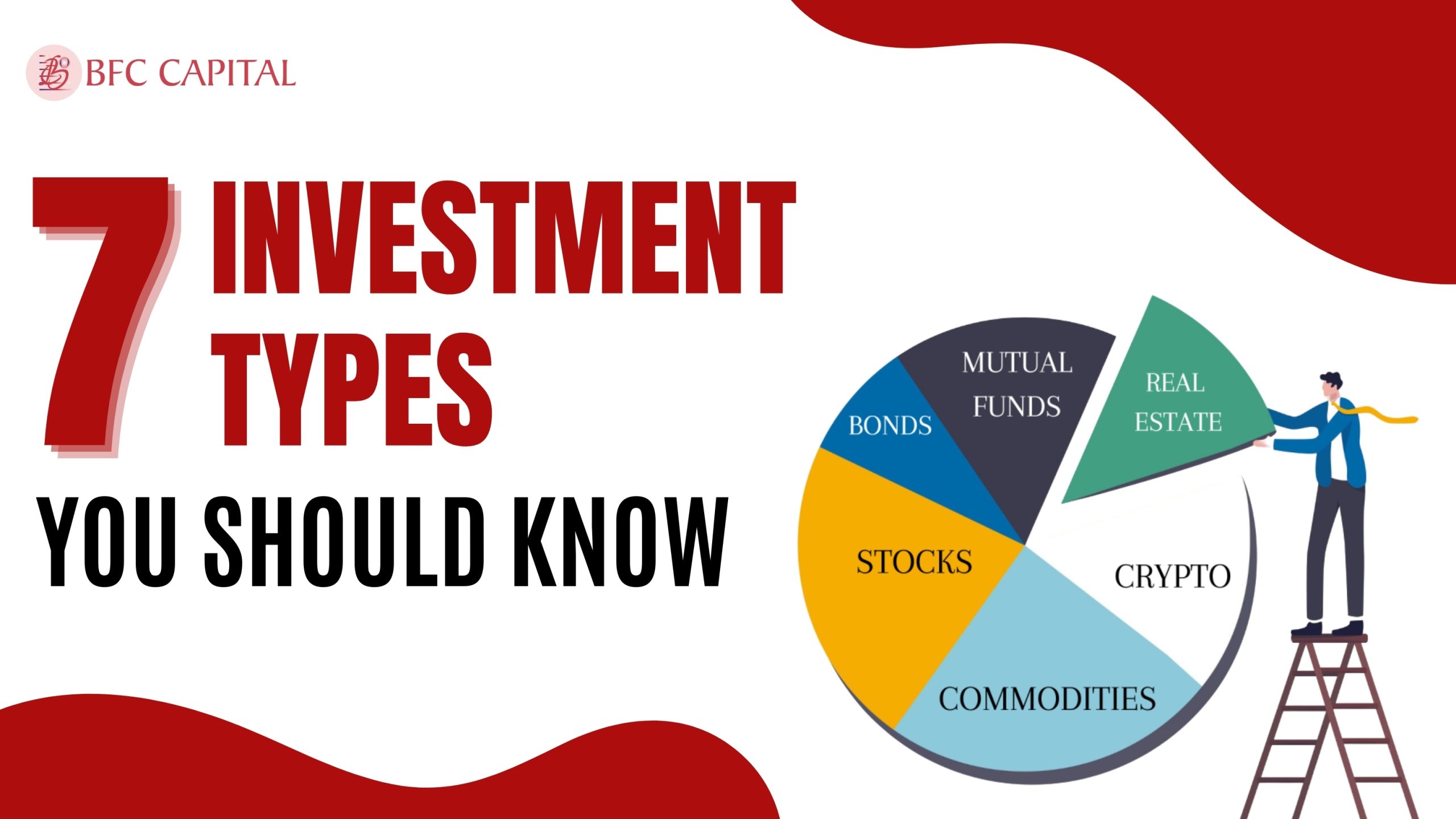
Also, Check – 7 Common Types of Investments
The Bottom Line?
A benchmark is not just a fancy number fund houses print in small font.
It’s the truth detector.
Without it, you’re just looking at raw numbers with no meaning. With it, you get clarity. Context. And a proper way to decide if your investment is actually doing well—or if you’re just being fooled by a nice-looking percentage. So next time someone tells you their fund gave “15% returns,” just ask:
“Compared to what?”
Because that question changes everything.
Please share your thoughts on this post by leaving a reply in the comments section. Contact us via phone, WhatsApp, or email to learn more about mutual funds, or visit our website. Alternatively, you can download the Prodigy Pro app to start investing today!
Disclaimer – This article is for educational purposes only and does not intend to substitute expert guidance. Mutual fund investments are subject to market risks. Please read the scheme-related document carefully before investing.