Goal Planning
Planning is an essential element of life, and when it comes to finances, planning becomes even more crucial. Some people have abundant finances, and some work to accumulate that amount. In both situations, planning the amount of money to spend, save, and invest is crucial, as it has the power to either dampen your financial condition or enhance it efficiently. However, numerous people do not know how to plan their goals to utilize their finances efficiently and end up making giddy mistakes that they regret afterward. So, if you are also someone who does not know how to comprehend and define your goal, worry not; we have got you covered. Read further to make an efficient plan today.
What is Goal Planning
Before we delve deeper into how to plan your goals efficiently, let’s understand what goal planning is.
Goal planning is the process of setting specific objectives and outlining the steps needed to achieve them. It involves identifying what you want to accomplish and creating a timeline to achieve success. Effective goal planning helps one stay focused and motivated while pursuing aspirations.
Know Your Income and Expenses
It is crucial to comprehend your present financial situation, the income you receive every month, and the daily expenses you incur to commence your goal planning. Numerous people yearn to achieve the goals they set in mind but do not know which goal to attain first and end up making the wrong decision. It usually happens when they are not sure about forthcoming expenses. Therefore, having precise knowledge about your income and expenses is essential in the journey of planning your short-term or long-term goals.
Categorize Your Goals
Once you have exact knowledge about your income and expenses, you can categorize your goals into short-term, mid-term, and long-term goals.
-Short-term goals are typically achievable within a short time frame, ranging from a few months to two years. They are specific, immediate objectives that help you progress toward larger goals.
-Mid-term goals extend beyond short-term ones and typically range from three to eight years. These goals involve a more significant commitment and require a consistent effort. They serve as stepping stones towards achieving long-term aspirations.
-Long-term goals are ambitious, often spanning ten or more years. They represent your ultimate objectives and require substantial dedication and planning.
Goal-Based Investment
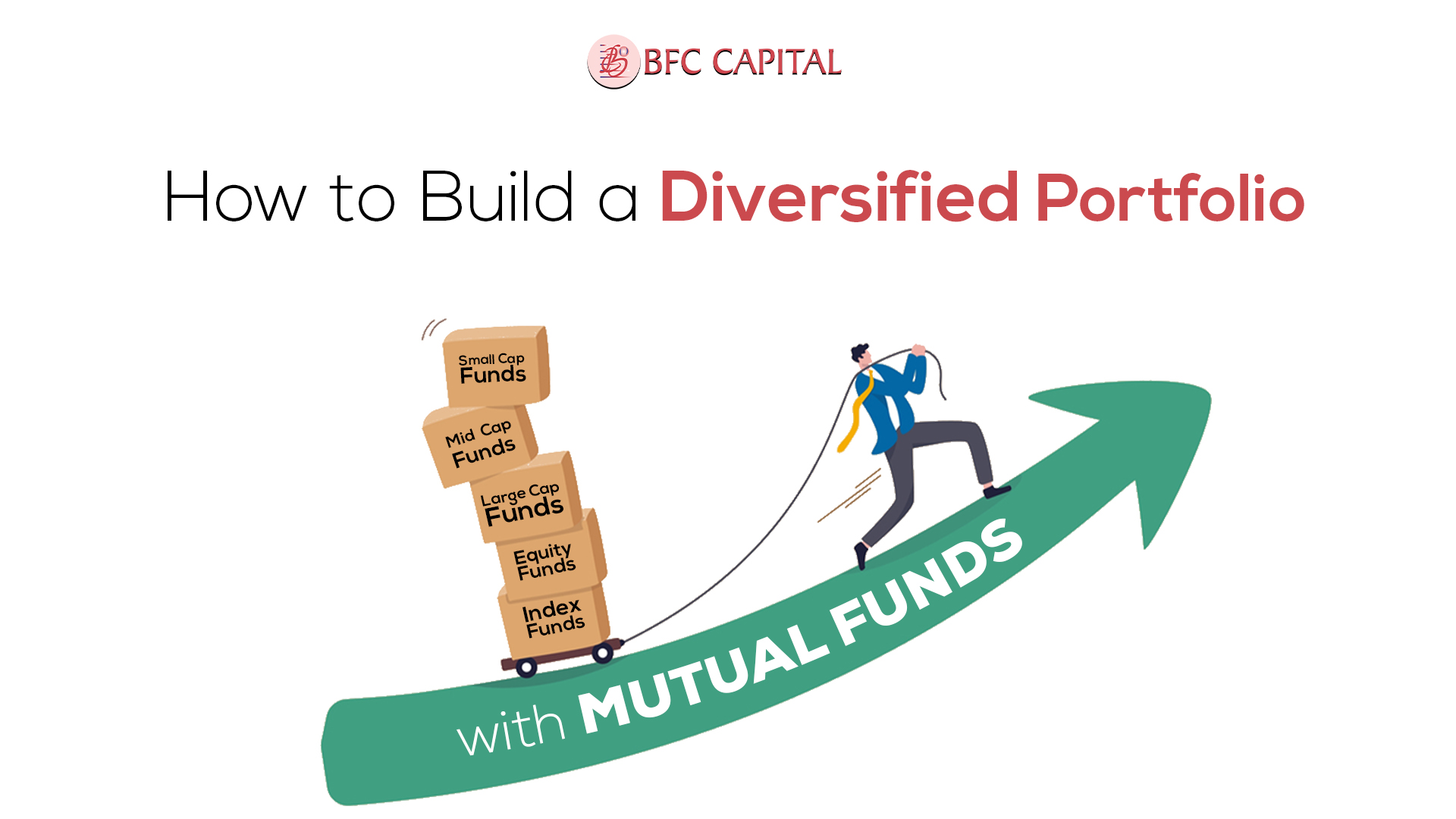
It is not hidden from the world that mutual funds are the best means to attain your financial goals, be they short-term, mid-term, or long-term. However, it is crucial to understand the type of fund to invest in and your risk tolerance before investing. We have specified a few types of funds for you to invest in:
Equity Funds: These funds invest your money mainly in stocks, potentially providing capital appreciation over the long term. However, they carry a higher rate of risk. Consequently, these funds are suitable for those who are ready to stay in the market, are exposed to market risk, and seek higher returns on their investments.
Debt Funds: These funds are financial instruments that invest your money in fixed-income securities such as bonds, government securities, etc. They offer investors a way to earn returns through interest and capital appreciation while providing relatively lower risk than equity funds. Therefore, these funds are suitable for those who are seeking a secure way of attaining money through capital appreciation.
Hybrid Funds: Investors looking to relish the benefits of both equity and debt funds mainly invest in hybrid funds. These funds invest your money in a mixture of equity and debt according to your financial goals. Consequently, they offer you the benefit of capital appreciation while securing your finances.
Periodically Review Your Portfolio
Investing in mutual funds and sitting comfortably, thinking that you have taken the necessary steps to achieve your financial goals, is not enough. It is crucial to review the mixture of asset classes in which you have invested to ensure that no lousy investments are cluttering your portfolio. Periodically reviewing your portfolio helps you analyse underperforming assets and make informed decisions about buying, holding, or selling your mutual funds, assuring your investments are in alignment with your financial objectives and risk tolerance.
BFC Capital provides you with the benefit of periodically reviewing your portfolio twice a year.
On a Parting Note
In conclusion, financial planning is an indispensable aspect of life, and comprehending how to set and achieve your financial goals is paramount. Remember, efficient goal planning involves categorizing objectives into short-term, mid-term, and long-term goals and investing in suitable financial instruments like equity, debt, and hybrid funds. Additionally, a periodic portfolio review is essential to ensure you are on the right track to achieving your financial goals. So, what are you waiting for? Start your goal-planning journey today to secure a prosperous future.