Imagine your finances are a well-built house. Just like a secure home, a solid financial plan can provide stability and comfort. It can handle your regular expenses, those monthly bills and everyday costs, like sunshine, gracing your roof. Even unexpected expenses, like a minor car repair, might be manageable, like a gentle breeze brushing past the house.
But what if it rains hard or snows a lot all of a sudden? Maybe you face a medical emergency which is not covered by any insurance, an unplanned trip, or you experience a job loss. These are the financial storms that can threaten the foundation of your security.
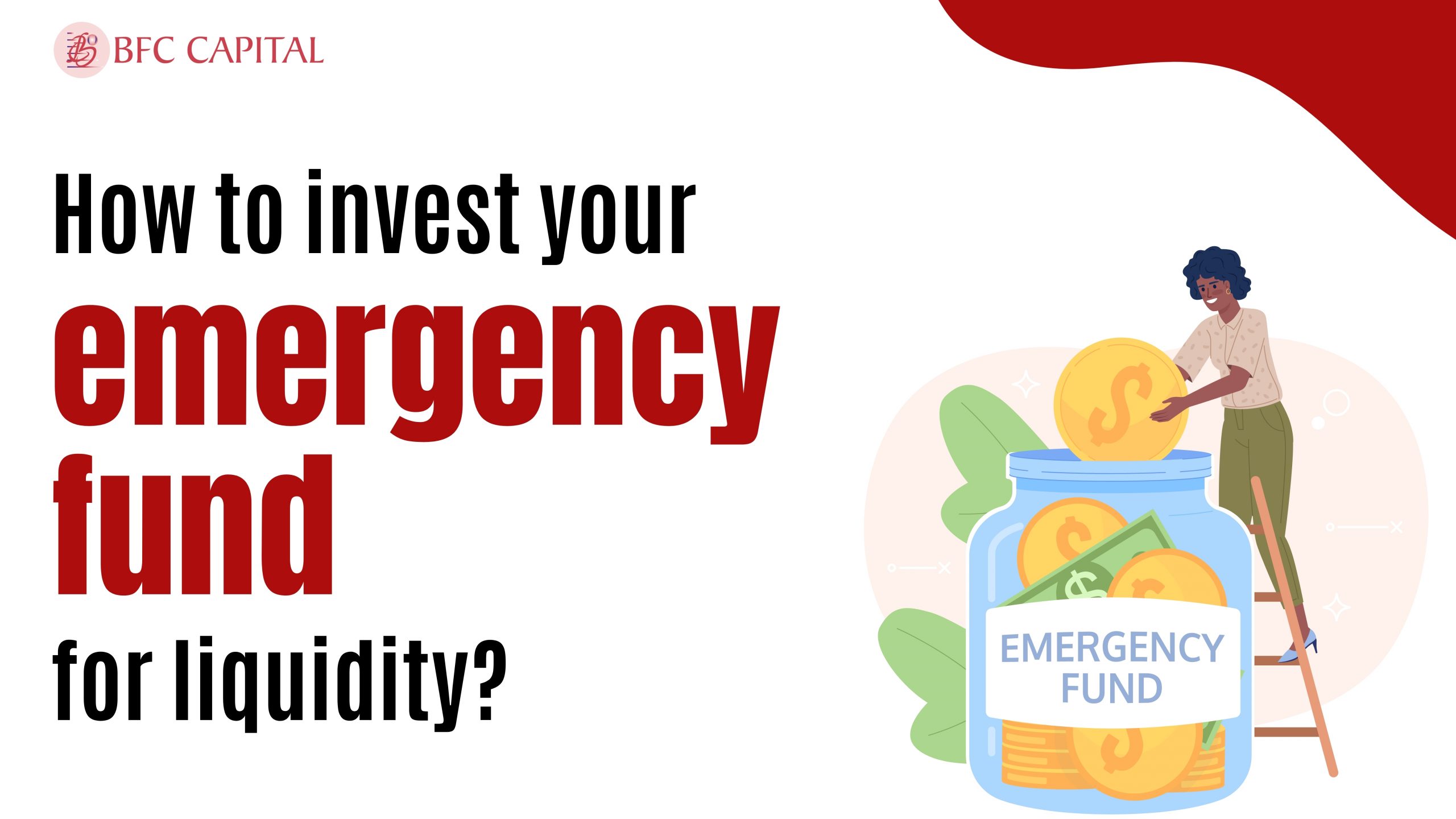
That’s where an emergency fund comes in. An emergency fund shields you from financial hardships and offers access to cash to cover unexpected costs which are quite more than any general expense. Instead of going into debt or messing up your other savings goals, you can use this money to deal with the surprise.
But with so much talk about emergency funds, a crucial question remains: What should be the ideal amount of one’s emergency fund?
This post will be your guide to figuring out the perfect emergency fund contribution for you. We’ll explore factors affecting your ideal amount, create a plan to reach your goal, and help you achieve financial peace of mind!
How much should one’s emergency fund be?
The appropriate size of an emergency fund varies according to individual circumstances, however, there are some overall recommendations:
Having enough money saved up to cover your living expenses for 3-6 months is a wise suggestion for the majority of individuals. It provides a safety net for dealing with the majority of unforeseen situations. If your job is not very secure, save 6-12 months’ worth of expenses, especially if you work freelance or on commission. This offers additional protection in times of reduced income. You can consider a slightly smaller amount in the emergency fund if you have good medical insurance which can cover your maximum medical emergency expenses.
Options to consider while creating an Emergency Fund
-
Saving Fund:
Imagine your emergency fund is like a jar of cookies for unexpected cravings. If you keep them in the same container you use for everyday treats, you might be tempted to grab one whenever you have a sugar rush. But if you store your emergency cookies in a separate, sealed container, you’ll be less likely to indulge unless you truly need a special treat. Similarly, you can save your money in a savings account which can be dedicatedly used only for saving emergency funds or you might feel the need to use those funds at any period of time. A savings account can be considered a good option due to its easy liquidity.
-
Liquid Funds:
Imagine your emergency cookie jar again. This time, instead of just plain cookies, you can store fancy, gourmet cookies inside. These gourmet cookies are liquid funds – they’re a bit more sophisticated as they are invested in bonds but still delicious as they provide low-risk. Such funds cannot invest in securities that mature beyond 91 days. You might even get some higher returns compared to regular cookies which is a normal saving account.
-
Ultra-short duration funds:
These are like even fancier gourmet cookies in your jar. They might have a slightly different recipe than Liquid Funds, which means they invest in debt securities and money market instruments, with maturities of up to six months. They are close to liquid funds as they offer more liquidity than any other fund category with long-term investments. Like liquid funds, Ultra-short-duration funds are highly liquid and can be accessed easily whenever required without paying any penalties. However, do remember that as these funds are invested in debt securities and money market instruments they have higher risks than a bank’s savings fund or recurring deposits.
-
Recurring Deposits:
Imagine you have a special jar for emergency cookies. You can set up a system where you automatically add a few cookies to the jar in a fixed period gap. Similarly, you have a deposit in your bank where you deposit some amount of money regularly for a fixed period. This way, your jar fills up steadily, which means your deposits collect over time and as a bonus, you get higher returns too! But there’s a catch! If you need to dig into the jar early meaning you withdraw from the deposit prematurely you might have to pay a penalty fee. This can lower your total earnings from the investment. Additionally, the interest earned on bank RDs is completely subject to taxation based on your income tax bracket.
Conclusion
An emergency fund is not only for financial security but also for mental ease. Having a financial cushion provides comfort in being able to handle unforeseen challenges. Establishing your emergency fund requires self-control, however, even making small, regular contributions will accumulate over time. Keep in mind that every rupee you save is one rupee less you’ll need to borrow at exorbitant interest rates.
Don’t wait for a crisis to strike. Start building your financial safety net today, and take control of your financial future.
Please share your thoughts on this post by leaving a reply in the comments section.
Also, check out our recent post on “Healthcare Made Easy: Navigating Health Insurance and It’s Importance!“
To learn more about mutual funds, contact us via Phone, WhatsApp, Email, or visit our Website.
Additionally, you can download the Prodigy Pro app to start investing today!