Health Insurance Plan
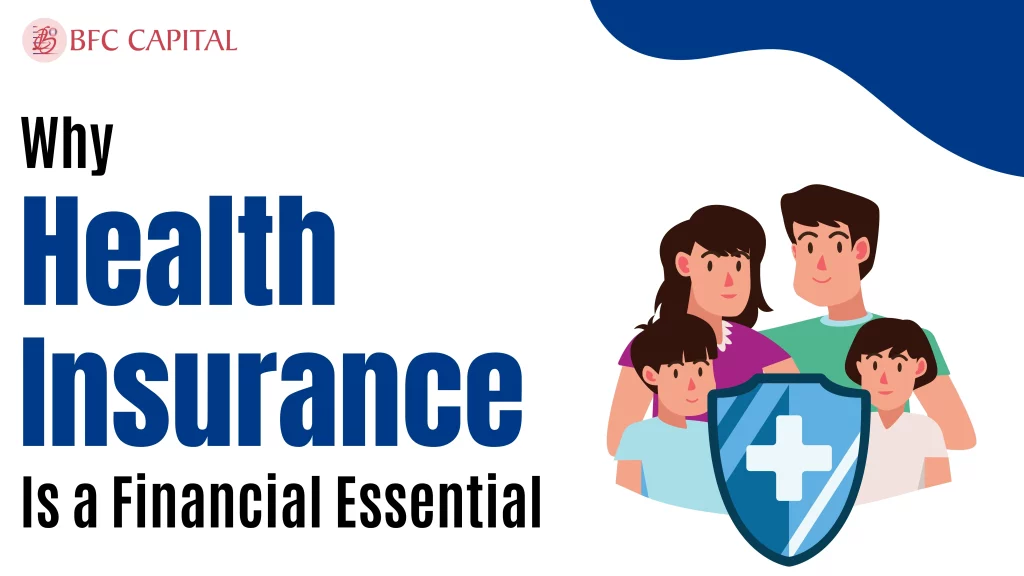
Let’s face the truth; generally, people don’t start thinking about health insurance until the very moment they are in need of medical attention. Yet, from today’s standpoint, where medical costs are simultaneously rising faster than salaries, health insurance is no longer an additional safety net but rather a must-have in anyone’s budget. It is one of the wisest investments that any young, healthy individual or fresh candidate can make in India. This is something far more important than paperwork or a mere tax-saving instrument way to assure that one’s savings won’t disappear due to some hospital bill.
We will go on to tell you why health insurance is important, how it protects your money, and even how it lays a framework for your further planning during unanticipated medical emergencies. We will try to make your understanding crystal clear through some real-life examples, easy-to-understand explanations, and answers to frequently asked questions.
What is Health Insurance?
Consider health insurance a kind of contract between you and any insurance company, wherein the insurance company agrees to pay up to a certain amount of your medical expenses in exchange for an annual premium from you. These medical expenses could be generated by hospitalization, surgery, medicines, diagnostic tests, and so on.
In India, this is commonly called a mediclaim policy. It can cover you as an individual or include your family under a single plan (called a family floater policy).
The Importance of Health Insurance in India
Now, let’s explore why having health insurance in India is so crucial.
Medical Cost Coverage: Healthcare Isn’t Cheap Anymore
One of the biggest reasons to buy health insurance is the rising cost of healthcare. Let’s say you need surgery for appendicitis in a private hospital—it could cost anywhere from ₹70,000 to ₹1.5 lakh. A week in an ICU? ₹2 to ₹5 lakh. Even regular procedures like cataract surgery or knee replacement can run into lakhs.
Now, imagine you or a family member ends up in the hospital unexpectedly. If you don’t have a health insurance plan, this entire cost comes from your pocket—your savings or your emergency fund. With a mediclaim policy, your insurer covers most, if not all, of the expenses up to the sum insured. This lets you focus on getting better, not paying bills.
Health Insurance Protects Your Emergency Fund
We all know the importance of an emergency fund. It’s your financial cushion in case of job loss, home repairs, or—you guessed it—medical emergencies. But without health insurance, even a minor medical emergency can wipe out your emergency fund. Let’s say you’ve saved ₹1 lakh as your emergency fund. One hospital visit for dengue or a bike accident can exhaust it. Worse, if you need to dip into investments meant for your child’s education or your retirement, your long-term goals take a hit.
Health insurance ensures your emergency fund stays intact for other unexpected events while it takes care of hospital bills.
Health Issues Can Happen at Any Age
There’s a myth that health insurance is only for the elderly or those with health conditions. But the reality is different. Today, even young and healthy individuals face lifestyle diseases, stress-related health issues, or unexpected accidents. From asthma to back problems to COVID-19—no one is truly immune.
The earlier you buy health insurance, the better:
- You get lower premiums
- You complete waiting periods early
- You avoid being denied coverage due to pre-existing conditions later
Plus, it’s better to have a policy and not need it than to need one and not have it.
Cashless Hospitalization: No Need to Pay Upfront
Among its features that make modern health insurance in India, cashless hospital facilities come first! If admitted in a hospital forming part of the insurer’s network, one does not have to pay for the medical treatment upfront, irrespective of non-covered items like food, personal toiletries, etc. The insurance company settles the bills directly with the hospital.
This is a game-changer in emergencies where arranging money instantly can be stressful.
How it works:
- You get admitted to a network hospital
- The hospital sends a pre-authorization request to the insurer
- The insurer approves treatment and settles bills directly
You get quality treatment without burning a hole in your pocket.
Tax Benefits: Save While You Protect
Here’s a bonus for being financially smart—health insurance also helps you save taxes.
Under Section 80D of the Income Tax Act:
- You can claim a deduction of up to ₹25,000 paid towards insurance premiums for a policy on yourself, your spouse, and your children.
- If you pay insurance for your parents and they qualify as senior citizens, a further deduction of ₹50,000 can be claimed.
- That makes an aggregate deduction of ₹75,000!
Example: If your mediclaim policy for your family costs ₹18,000 and that for your senior citizen parents costs ₹40,000, then ₹58,000 has to be deducted from your taxable income!
So while you are securing your health, in a way, you are securing your taxes too!
Covers More Than Just Hospitalization
Health insurance isn’t limited to covering only hospital stays. Many policies also include:
- Daycare procedures (like cataract surgery, chemotherapy)
- Ambulance charges
- Pre and post-hospitalization expenses
- Annual health check-ups
- Maternity and newborn cover (after waiting period)
- Organ transplant cover
This means you don’t have to worry about the full range of medical costs, not just the hospital bed charges.
Tip: Always read your policy document to know exactly what is and isn’t covered.
Peace of Mind for You and Your Family
Let’s not underestimate this. Knowing that your family is financially protected in case of a medical emergency gives you peace of mind that’s hard to put a price on. You can focus on work, life, and your goals without the constant worry of “What if something happens?”
And if you’re the sole breadwinner in your family, this becomes even more important. Your health and well-being are directly tied to your family’s financial stability.
Waiting Periods? The Sooner You Start, the Better
Almost all health insurance plans come with a waiting period for pre-existing diseases (usually 2–4 years). Some policies also have waiting periods for maternity cover, specific surgeries, etc. The earlier you buy a policy, the sooner these waiting periods are over—and the faster your coverage kicks in.
So even if you’re healthy now, buying a policy today prepares you for tomorrow.
Group Insurance from Work Isn’t Always Enough
Many people believe they don’t need separate health insurance because their employer offers group coverage. But here’s the catch:
- Coverage is usually limited (₹2–3 lakhs only)
- It may not cover your family fully
- It ends when you leave your job or retire
What happens if you’re between jobs or the company reduces coverage?
That’s why having a personal mediclaim policy in addition to your work plan is smart. It stays with you no matter where you work and offers continuity of benefits.
Conclusion
In a world where medical expenses can burn a hole in your wallet overnight, health insurance is not a luxury—it’s a necessity. It protects your emergency fund, offers medical cost coverage, gives you access to cashless hospitals, and even helps you save on taxes. More importantly, it gives you confidence and control over life’s uncertainties.
So don’t wait for a wake-up call. If you haven’t bought a health insurance plan yet, now is the perfect time. And if you already have one, review it yearly to make sure your coverage is still enough.
To learn more about mutual funds, contact us via Phone, WhatsApp, Email, or visit our Website. Additionally, you can download the Prodigy Pro app to start investing today!
Disclaimer – This article is for educational purposes only and does not intend to substitute expert guidance. Mutual fund investments are subject to market risks. Please read the scheme-related document carefully before investing.