Market Sentiment
Ever stepped into a room that instantly gives you the vibe? Maybe everyone is excited for a surprise party, or it is eerily quiet because of some bad news. The stock market is not much different also has such kind of moods-and such moods can move deep pockets to millions, even billions, of dollars.
That is what we refer to as market sentiment.
Market sentiment is an overall characterisation or feeling that investors usually have toward a particular market or asset. Think of it as the emotional ‘weather’ in the financial world. Sometimes it is sunny and optimistic (bullish), at times cloudy with a possible panic (bearish).
Let us see how these sentiments are formed, how they influence trading decisions, and why knowing their psychology is as crucial as number-crunching.
The Human Side of the Stock Market
Investing is something that many tend to see as logical and rational, in relation to balance sheets, profit margins, and economic indicators. The truth, however, is this: people are emotional, and those emotions spill into the market. Behavioural finance, therefore, studies actual human behaviour in the financial setting, and the spoiler alert is that it is not always rational. If you have ever seen a “sale” sign and bought something that you didn’t actually need because somebody else had it, that’s the same mentality that drives the stock market.
The Two Faces of Sentiment: Bullish vs Bearish
Market sentiment typically exists in two broad categories, one of them being
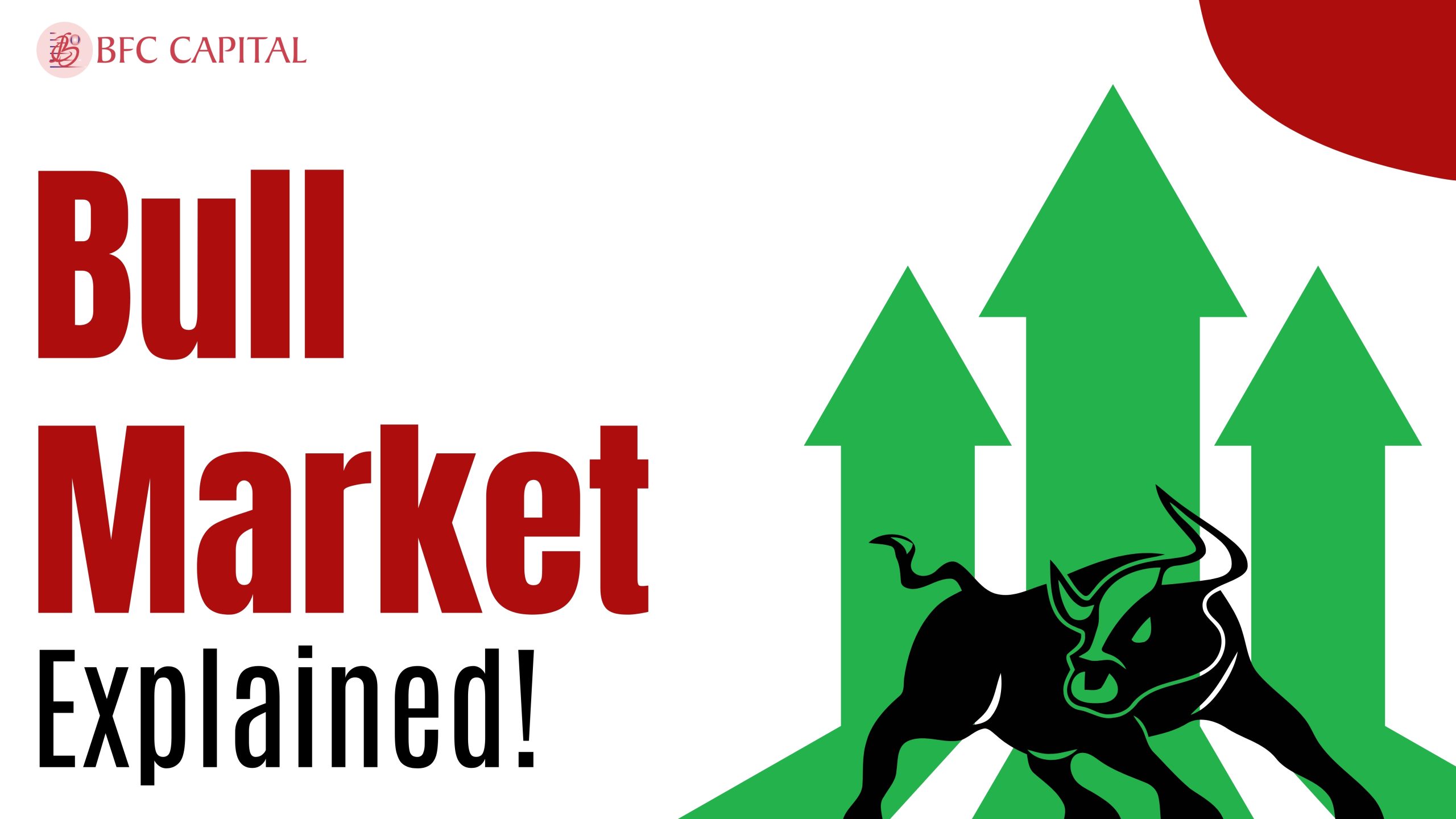
- Bullish Sentiment: Believe that prices should rise. Optimism is running high, confidence is booming, and buying pressure pushes stocks higher. It’s a financial summer. Most of them are upbeat and looking forward to growth.
- Bearish Sentiment Investors expect prices to fall now. It spreads pessimism. People begin to sell, and with that, stock prices dip. It’s similar to a cold winter, whereby everyone is playing it rather safe, hoarding cash and avoiding risk.
Most of the time, a trader provides himself with the most recent situation of the market-the in or out of favour, whether bullish or bearish, knowing quite well that emotions and feelings are able to miss the truth in such cases sometimes.
Where Do These Emotions Come From?
The famous economist John Maynard Keynes coined the phrase “animal spirits” theory to describe the instinctive and emotional aspects that govern human behaviour under uncertain circumstances, such as investing.
In other words, emotional investing is when investors tend to act first and think later.
Let’s analyse a few sentiment indicators that try to quantify this emotion
Tools to Measure Market Sentiment
- Put / Call Ratio: This measures how many people bet against the market (put) versus betting for it (call). A high ratio may signify some bearish sentiment.
- Volatility index (VIX): An index popularly known as the “fear gauge,” the VIX indicates the expected volatility in markets. Its rise denotes increasing fear.
- Advance-Decline Line: This technical analysis tool examines the number of advancing stocks vs. declining ones. It helps measure the strength of market trends from the ground up.
- Contrarian Indicators: These indicators tell you to go in the opposite direction of the flow of people. If they’re bullish, the contrarian is a seller; if they’re bearish, the contrarian is a buyer, believing it will turn around.
- Market Trends & Technical Analysis Tools: Charts, patterns, and indicators are applied by traders to determine where the market is moving with the sentiment.
Why Sentiment Matters
Suppose Company X happens to declare fantastic earnings. Naturally, its stock ought to rise. But suppose the market sentiment has soured, with the overarching sentiment on recession in the world? The stock might still move downward.
Thus is shown that fundamentals do not always triumph over the short-term trading psychology and emotions often come out on top.
It is smart traders who know this. They don’t just ask, “What is the value?” They also ask, “What does the market feel right now?”.
Emotional Investing: A Double-Edged Sword
Funny how acting on pure charm sometimes works: everybody seems to say a stock should go up, and so it rises. But therein lies the danger: where hype burns bright, markets tend to stagger; bubbles grow; and fears facilitate a crash.
Simply recall the 2008 financial crisis: everybody panicked, sold off, and trillions of dollars evaporated—facts simply moved too slowly compared to fear.
Recognising and countering one’s emotions forms the core of successful investing.
Investor Confidence and Herd Mentality
When investors are confident, they tend to behave like a herd. This is characterised by momentum trading: buying stocks that are rising and selling stocks that are falling. But such herd behaviour can sometimes create false trends.
Understanding market volatility, together with testing whether sentiment correlates with real data, helps filter out the emotional noise.
How Economic News Fuels Sentiment
And don’t forget about the media. These kinds of headlines, like “Recession Looms!” and “Stock Market Hits Record Highs!” stir up very emotional reactions, each in its own ay.
Yet the seasoned traders do not just read news—they apply an interpretation concerning how it might affect investor psychology.
Also, Check – Should You Use Credit to Invest in the Stock Market?
Conclusion
An individual who treats the market as a person would say that mood swings, impulses, and even drama are all elements that make the market complete. It is fully up and down, but only to understand the emotions of the stock market to predict better behavior, make wiser decisions, and avoid getting carried away with the mood or panic in which fundamentals really matter in the long term but, in the short term, are driven by market sentiment-the bus even if it doesn’t always follow the map.
Please share your thoughts on this post by leaving a reply in the comments section. Contact us via phone, WhatsApp, or email to learn more about mutual funds, or visit our website. Alternatively, you can download the Prodigy Pro app to start investing today!
Disclaimer – This article is for educational purposes only and does not intend to substitute expert guidance. Mutual fund investments are subject to market risks. Please read the scheme-related document carefully before investing.