In other words, people prefer to place only some of their eggs in one basket, which is quite similar to the notion that it is inadvisable to rely on one source of income only. Indeed, your investing plans are also covered by this. One must learn how to protect one’s money during times when one is changing one’s money on the securities market against risks such as changeability and fluctuations. Another general factor that is central to investment in the financial market is the diversification of assets. Purchasing Dynamic Asset Allocation Funds is one way of protecting one’s investments. If you want to know more about this investment vehicle, then read on.
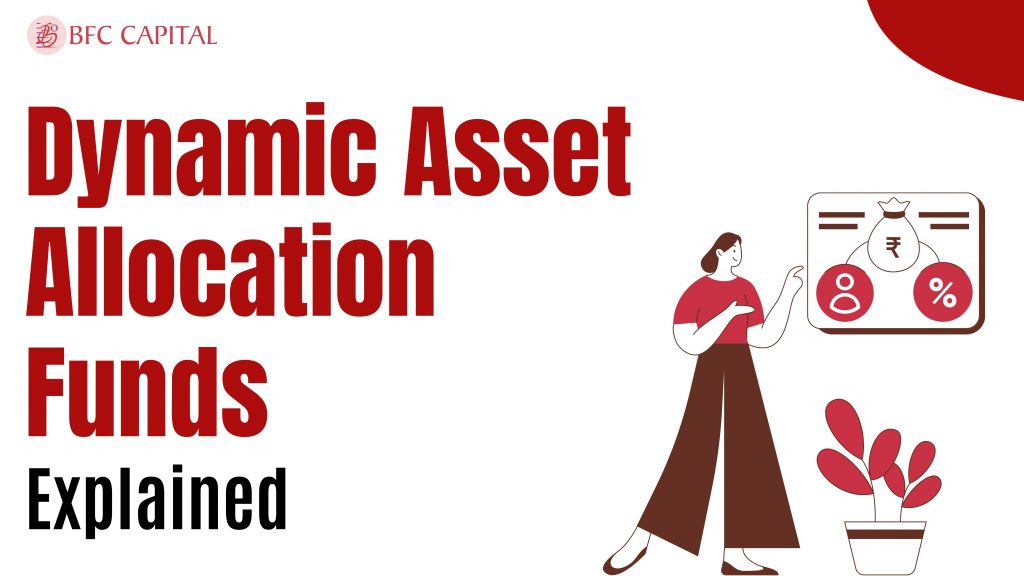
What is a Dynamic Asset Allocation Funds?
One type of portfolio management called “asset allocation management” rebalances the portfolio based on market conditions. The usual changes are in the form of cuts within the worst-performing asset class and additions within the best-performing complex.
Characteristics of A Dynamic Asset Allocation Funds
Essential traits of a dynamic asset allocation fund include:
Managing
Portfolio managers manage these funds, and there are constant observations of the conditions of the market with timely decisions made on the assets. Their active approach distinguishes them from funds such as index funds, in which the objective is to replicate a benchmark’s performance.
Strategic Distribution
Fund managers employ asset allocation techniques to alter the asset allocation within their portfolios temporarily. Interest rate fluctuations and changes in geopolitics could have an impact on these modifications.
Stress on Risk Management
One of the objectives of these funds is risk management. To safeguard their finances during market downturns, they might limit their exposure to high-risk investments. On the other hand, in certain market situations, they might increase their exposure to assets in order to realise potential gains.
Rebalancing
The company’s investing plan calls for a regular rebalancing of the fund’s portfolio in response to changes in the market.
The Workflow of Dynamic Asset Allocation Funds?
Dynamic asset allocation funds are made to last through volatile market situations. This dynamic system is more appropriate than a static one because the investments are distributed across industries. In other words, investments are transferred from an underperforming asset class to a well-performing one.
This dynamism—which is contingent upon market conditions—is the fund’s main benefit. You should invest in this balanced advantage fund if you want guaranteed gains when it matures. It also suits you if you wish to invest in a variety of industries but have a limited budget. But bear in mind that dynamic asset allocation does not necessarily invest in stocks.
Benefits of Allocating Assets Dynamically
Below are some benefits of the dynamic asset allocation method employed by balanced advantage funds.
Flexibility in Response to Market Situations
The capacity of dynamic asset allocation to adjust to shifting market conditions is one of its most significant advantages. It maximises returns by enabling investors to take advantage of current trends and avert possible downturns.
Risk Management
A tool for modifying exposure to various asset classes based on the current risk profile is provided by dynamic asset allocation. This can shield the portfolio against unanticipated volatility or market shocks.
Potential for Higher Risk-Adjusted Returns
Compared to a static asset allocation approach, there is a chance of obtaining superior returns by dynamically modifying the portfolio in reaction to market conditions.
Sufficient Diversification
In general, the strategy produces a well-diversified portfolio across several asset classes despite the fact that asset allocations are regularly adjusted. In many situations, this can lower the chance of suffering significant losses.
Personalised Investment Approach
Allocating assets dynamically is not a one-size-fits-all strategy. It can be tailored to a person’s financial objectives, investment horizon, and risk tolerance.
Proactive Methodology
Dynamic asset allocation adopts a more proactive stance and seeks to anticipate and get ready for market changes rather than respond to market downturns after they happen.
Dynamic Asset Allocation Funds Drawbacks
Active Management:
Time and resources are required to actively modify portfolio allocations in response to shifting market conditions. Investment managers must stay informed to assess the impact of breaking macro and company-specific news on different asset classes. It could be necessary to recruit more research analysts, which could increase the cost of running the fund.
Transactional expenses:
Purchasing and selling various assets on a regular basis is a component of dynamic asset allocation. This raises transaction expenses, which lowers the total return on the portfolio. A buy-and-hold investing-friendly management technique, like constant-weighted asset allocation, may perform better than dynamic asset allocation if the majority of the portfolio’s assets are heading higher since it involves fewer transactions.
Who Has to Think About Putting Money Into a Dynamic Asset Allocation Funds?
Holders benefit inherently through the diversification process since dynamic asset allocation funds deal in securities in different classes of assets. For this reason, such funds might be suitable for anyone who wants to add different types of investment to their portfolios.
The best solution that seems to be ideal for such a person is to buy dynamic asset allocation funds because the fund manager, his analysts, and his market researchers focus only on high-performing stocks. Aspect of timing, the markets are also managed since the fund manager always seeks to achieve movement of the markets to the extremes.
Tax Treatment of Dynamic Asset Allocation Funds
Dynamic Asset Allocation Funds are taxed based on the equity and debt allocation in their portfolio; if the equity exposure is more than 65%, the fund will be considered an equity fund and in this case, LTCG above one year is taxed at the rate of 12.5% over and above of 1.25 Lakhs of profit. In contrast, STCG is taxed at the rate of 20%. However, if the debt allocation is more than 65% then it will be considered a debt fund. LTCG will be taxed at 12.5% without indexation benefit if the holding period is more than 2 years, and the STCG will be added to the investor’s income at the applicable tax rate if the holding period is less than 2 years.
Conclusion
After reading this, you should have a better understanding of dynamic asset allocation funds, also known as balanced advantage funds, their functions, and the risks and rewards connected to them. Now that you have more information, you may decide whether to add these funds to your portfolio. If you choose to invest in a dynamic asset allocation fund, make sure you thoroughly investigate the fund manager’s experience and the terms and conditions before moving forward.
To learn more about mutual funds, contact us via Phone, WhatsApp, or Email, or visit our website. Additionally, you can download the Prodigy Pro app to start investing today!
Disclaimer – This article is for educational purposes only and does not intend to substitute expert guidance. Mutual fund investments are subject to market risks. Please read all the scheme-related documents carefully before investing!