
Investing can bring fortune if traded carefully! Investing helps meet financial goals in the long run, but there is a catch! Investing can be challenging, and we can easily get swept away by emotions. However, there are a few simple rules experts swear by before trying your hand at investing.
Some young minds are slowly becoming aware of investing, both SIP and Lumpsum investment. In the recent decade, new technology and innovations have opened a whole new arena in the investing world.
Online trading apps, stock markets, blockchain and bitcoins, and new investment schemes. All this progress has compelled an increase in the tremendous number of users who are ready to invest. For beginners, the blog can help guide you about A to Z of investing.
1. Don’t invest blindly!
If your long-term goal is to invest and you don’t have enough money, then don’t invest! Evaluate your financial situation, income, resources, and savings before making any decisions. If you are in a tight spot, there is no point in indulging in new investments, as this can put you in long-term debt.
Stash money as emergency access to help you with any losses. Clearing any debts before investing is always a good idea. Having funds as financial safety ensures your few months of expenses are covered. It is always best to have a backup.
2. Start as early as you can!
In investing, it is safe to say that you should use your assets as soon as possible. If you are sufficiently well in terms of financial resources, you should try investing at a young age. Starting always gives you the benefit of the market process over time.
3. Have an idea about your investment!
Investing is easy when you know what you are investing in! Before spending your hard-earned money, understand the risks and benefits behind the investment. Don’t rush while making your decisions about investments. Take time to research until you are 100% sure.
4. Building your portfolio!
Building a financial portfolio is a significant step in personal finance. You cannot completely eliminate the risk associated with investments, but surely, you can mitigate it. Portfolios should be assessed at regular intervals. This checks risk tolerance and asset allocation.
5. Set your expectations!
In investment, nothing can be 100% sure; hence, keep your expectations clear. Whether it is a short-term or long-term investment, set your goals with specific and achievable targets. The help of professionals often manages long-term investment plans to ensure they are authentic and reliable.
6. Choosing the right account!
You have your goals planned, have financial safety, risk assessment, and a reliable firm. The next step is choosing the account you will use for investing purposes. Also known as an investment vehicle, choosing an investment account is an important step.
Different types of accounts come with their benefits, and they can affect your investment strategy. For example, you can choose from the whole spectrum of accounts based on your goals. Depending upon the eligibility criteria, different accounts offer various investment ranges and benefits.
It may seem confusing at the beginning, but taking your time to determine the right type of account is a wise decision.
As mentioned in the above point, building a model portfolio before investing is important. A brokerage account can be helpful in general but for in-depth insights, you might need a professional financial advisor. You get to choose from several investment options, like ETFs, bonds, and mutual funds. Go for something that fits your goals!
7. Seek professional advice!
Many people usually seek professional advice before investing. A financial advisor or a broker may help you if you have no idea about investment.
You can also opt for a robo-advisor. A robo-advisor provides online services in the form of financial advice. It was introduced in April 2010 and has become quite popular since its launch.Covering A to Z about investing can be complex at first; professional advice won’t hurt!
8. Decide on your investment strategy!
Whether it is a short-term plan or a long-term plan, you need an investment strategy. Investment strategies are well-formed methods and plan to approach your investment. Investment strategy covers factors like allocated resources, managing risk, having financial institutions, etc. Depending on the market status, different types of investment strategies are used in India. Pick out a strategy that adheres to your goals—how much you’re going to spend.
So what are your investment options?
As part of your investment strategy; you have explored your investment options. Let’s take a look at that!
Based upon the risk level it can be low, medium and high-level risk investments. Risks are associated with stability and a guaranteed return of money.It can be in any form, such as bonds, stocks,Public Provident funds and Mutual funds.
-
Bonds
Bonds are also called fixed-income instruments.Although they range from low to high-risk levels, bonds can be considered medium risky as they often ensure a return guarantee. Investors lend money to governments and organizations for a certain amount of time. Bonds are repaid at a specific due date. The government or companies give back money to lenders with a certain interest rate along with the original amount.
-
Stocks
Stock investment is increasingly common nowadays. Investing in a stock is sharing a percentage of ownership in a company. They are also called equities. Stocks can be of any range, from a single number to a thousand numbers. You will share any profits or losses depending on the company’s situation.
-
Public Provident funds(PPF)
Public Provident Funds is a long-term investment plan for people who want to ensure guaranteed returns on their investment. PPFs carry low-risks as they are stable and financially secure for people.
-
Mutual funds
Mutual funds are a combination of various asset types. They make an investor’s workload easy, which allows you to skip selecting bonds and stocks. In mutual funds, you can invest across asset classes in a single transaction. It is hassle-free and considered less risky than stocks,
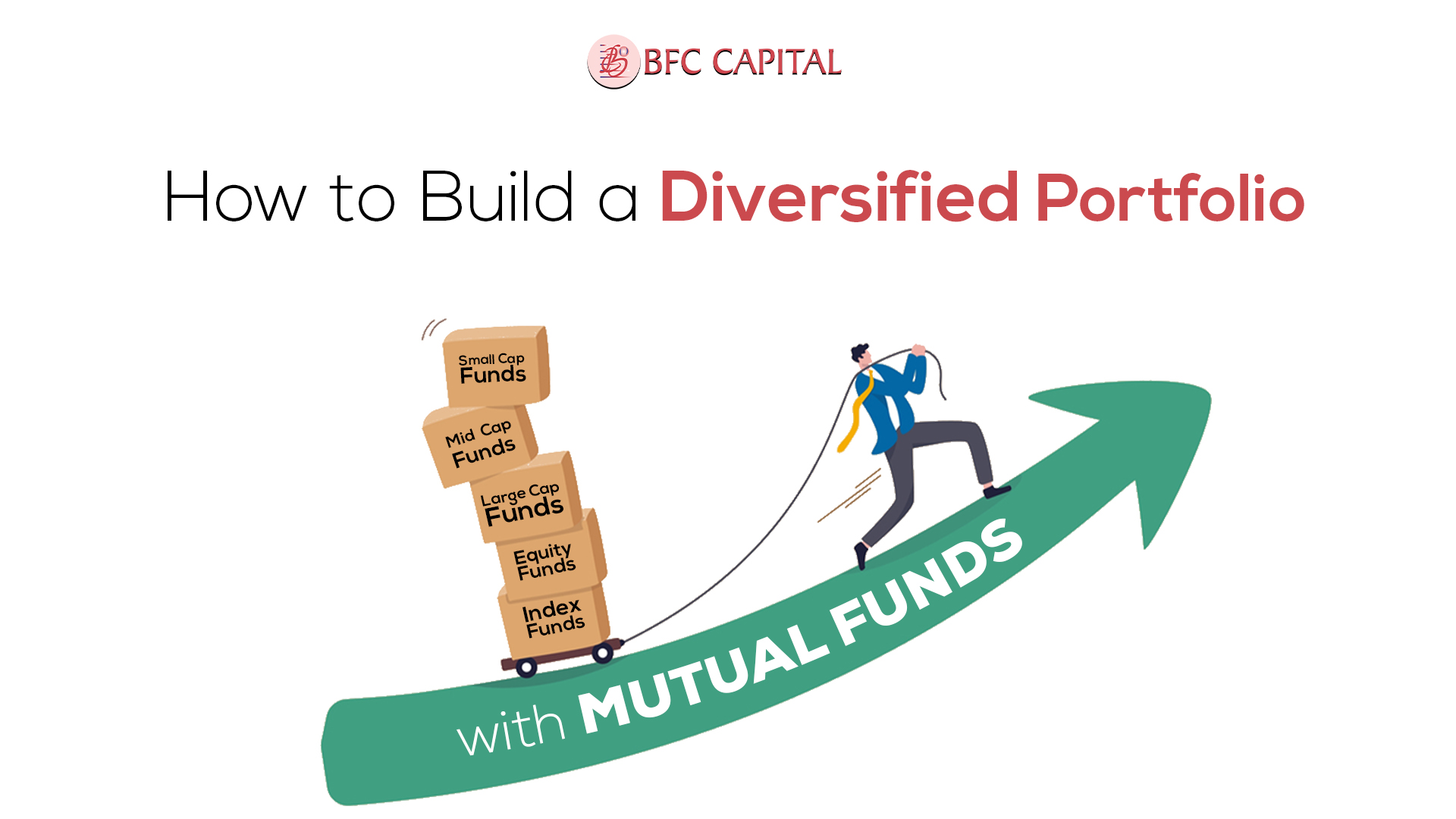
9. Make diverse choices!
Investment can be complex, with a lot of options to choose from. Investing your finances in one place can be scary! Especially when you are new to this, it is common to have doubts.
Opt for diversification for a more open approach to playing it safe. A diversified account means you can best multiply options from bonds, stocks, and mutual funds. Diversification of your assets can reduce the risk of overexposure to a particular investment.
10. Do not borrow for investment!
A thumb rule to consider in investments is to avoid borrowing money for investing. If you suffer losses, then you have to repay the amount, probably with more interest. This can increase your burden before the benefits come around.
The bottom line is that investment can reward you in the long term if you play by the thumb rules of finance. It can be a successful venture to put your capital in. Start with a small amount back. Be sure to follow current market trends and investment platforms to stay up to date.







Name: Mutual Funds vs Fixed Deposits: Best Investment Option - BFC Capital- Blogs : All Financial Solutions for Growing Your Wealth
says:[…] Also, check out our recent post on: “Top 10 Thumb Rules for Investing Every Investor Should Know!“ […]